 Proxmox Pulse

Storage, ZFS & Backup Strategies
Tune Your Homelab ZFS Pool on Proxmox VE
Most homelabbers install a five-disk RAID-Z2 array in Proxmox VE then ignore it until backups start taking hours — here's what actually matters about pool tuning.
12 min read
Page 8 of 21 — showing Proxmox VE articles 85–96 of 248.
Most homelabbers install a five-disk RAID-Z2 array in Proxmox VE then ignore it until backups start taking hours — here's what actually matters about pool tuning.
Most homelab tutorials show a single Ethernet cable from your switch into one network port, then tag every other
Both run fine in Proxmox containers. The real difference is how they handle fuse-overlayfs under the hood when you're not running privileged.
Bonded interfaces on Proxmox VE let VM traffic flow across several cables instead of a single port, so when an SFP fails you don't lose everything at once. The real question is which bonding mode matches what your switch can actually do — active-backup for simplicity or LACP for throughput.

These small focused tools replace tedious manual tasks so you can reclaim time on your homelab cluster without adding another automation layer.
Your backups might be broken even if they run every night—here's how your choice between ZFS and LVM-thin changes everything under load.

VLAN-aware bridges are just the beginning — Proxmox VE 9.x adds SDN VRF routing that lets multiple VLANs share one physical interface without IP conflicts.

Proxmox VE's new OCI runtime uses a different stack than LXC — here's how overlay2 beats fuse-overlayfs in write-heavy workloads and when each actually makes sense on modest hardware.
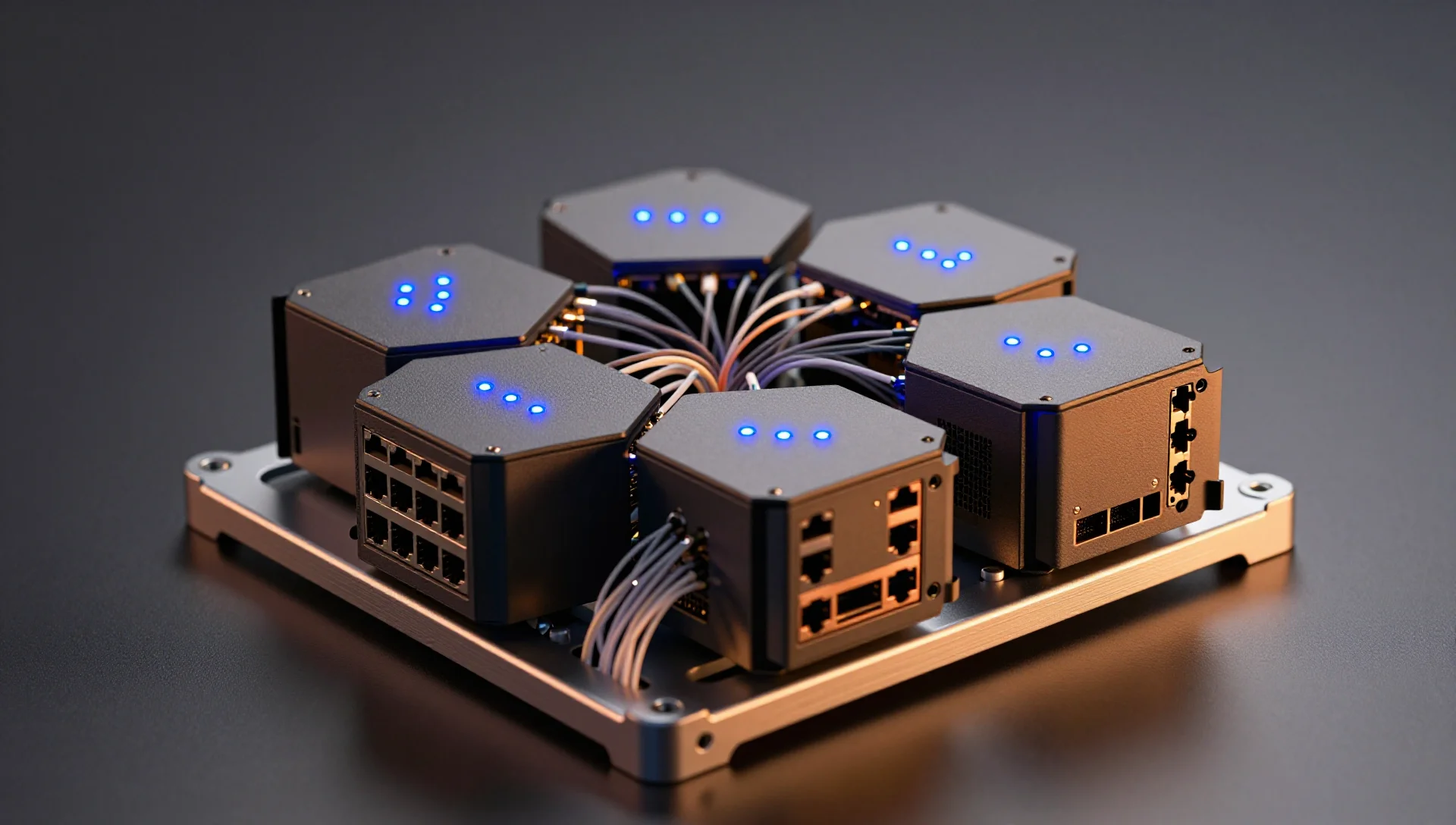
Data Center Manager (DCM) is Proxmox's new web-based tool for automating host installation across multiple nodes
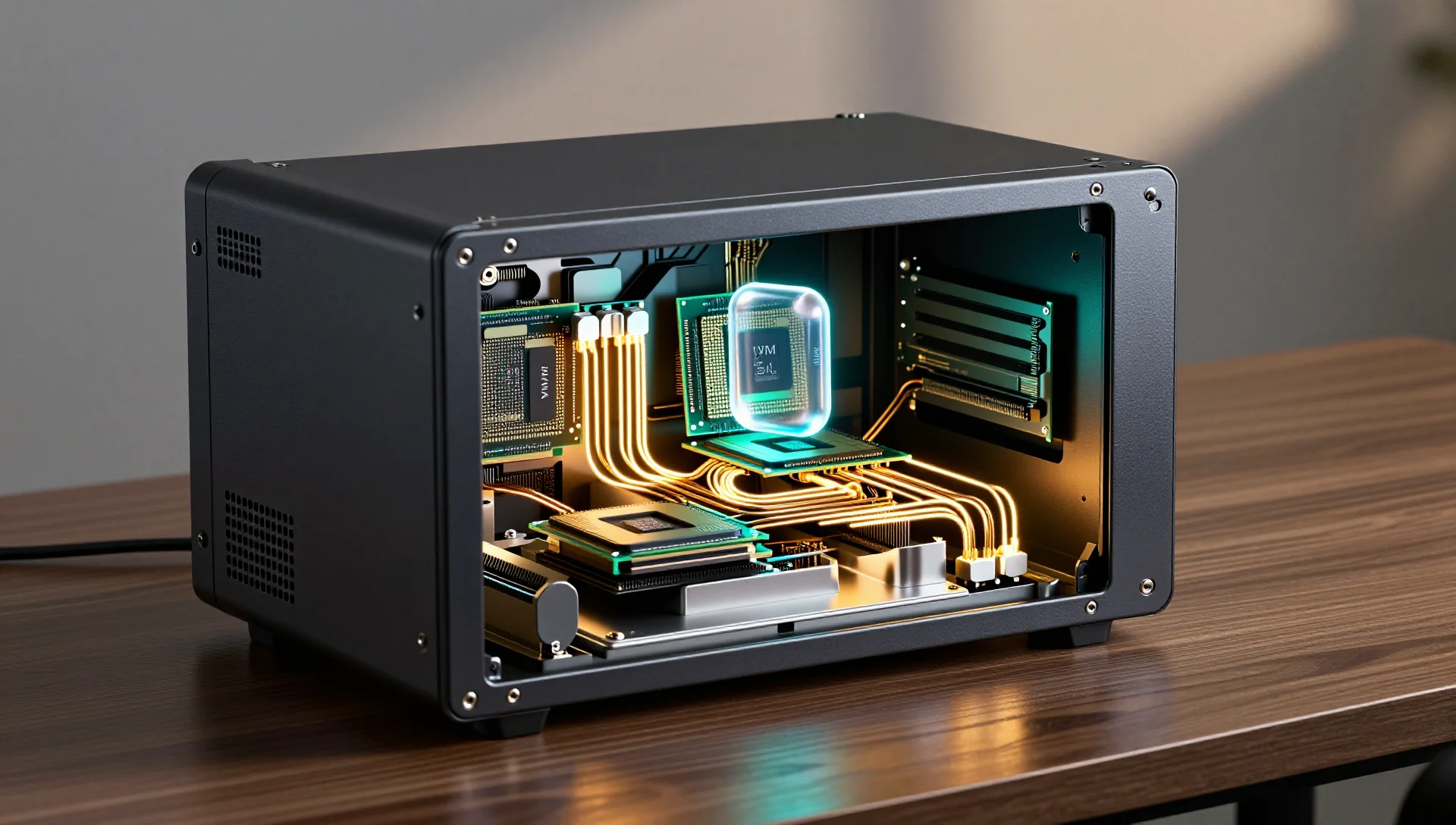
Silent remote-memory access is costing performance in most default setups — here's how to fix it without overcomplicating your Proxmox VMs.

Most people leave their ZFS pool running on defaults. Three simple knobs give you most of the performance benefit with almost zero ongoing cost.
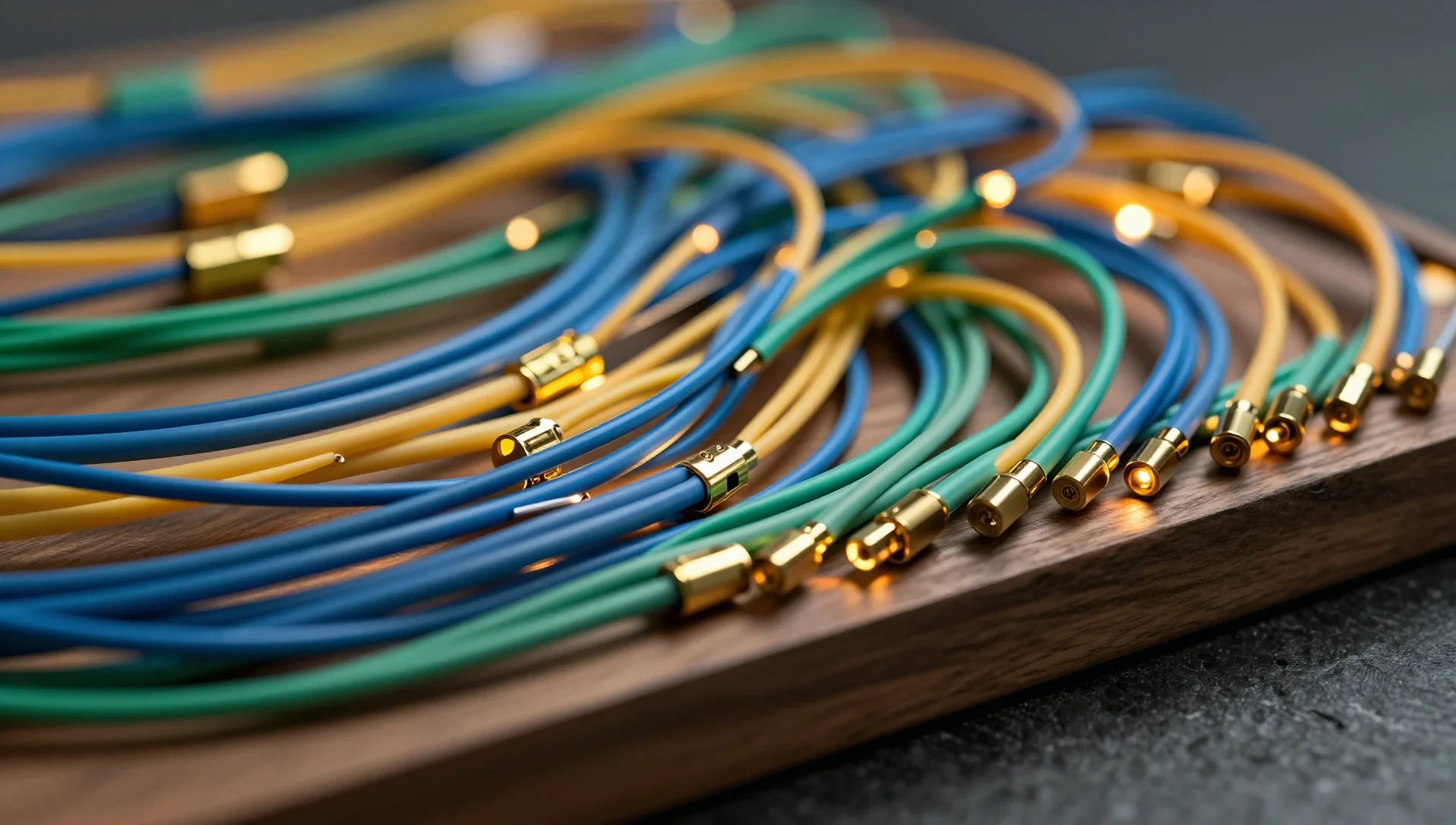
Most people configure their bridges correctly but still lose traffic between subnets because they misunderstand which packets get tagged, when, and why it matters for your switch ports.